


Atropine Eye Drops vs. Regular Eye Drops: What’s the Difference?
When it comes to caring for your eyes, not all eye drops serve the same purpose. Some are designed to relieve temporary discomfort, while others play a critical role in managing long-term vision conditions. One of the most important distinctions parents and patients should understand is the difference between atropine eye drops and regular eye drops - especially when it comes to Myopia and Myopia Management.
At Performance Vision Center, we believe education is key to protecting long-term eye health. Here’s what you need to know.
What Are Regular Eye Drops?
Most people are familiar with over-the-counter eye drops. These are typically used to relieve common symptoms such as:
Dryness
Redness
Irritation
Allergies
Temporary discomfort from screen use
Regular eye drops - often called artificial tears or lubricating drops - help moisturize the surface of the eye. Some contain antihistamines for allergies, while others reduce redness by constricting blood vessels.
These drops are designed for short-term symptom relief. They do not treat underlying eye conditions like Myopia (nearsightedness), nor do they influence how the eye develops over time.
What Are Atropine Eye Drops?
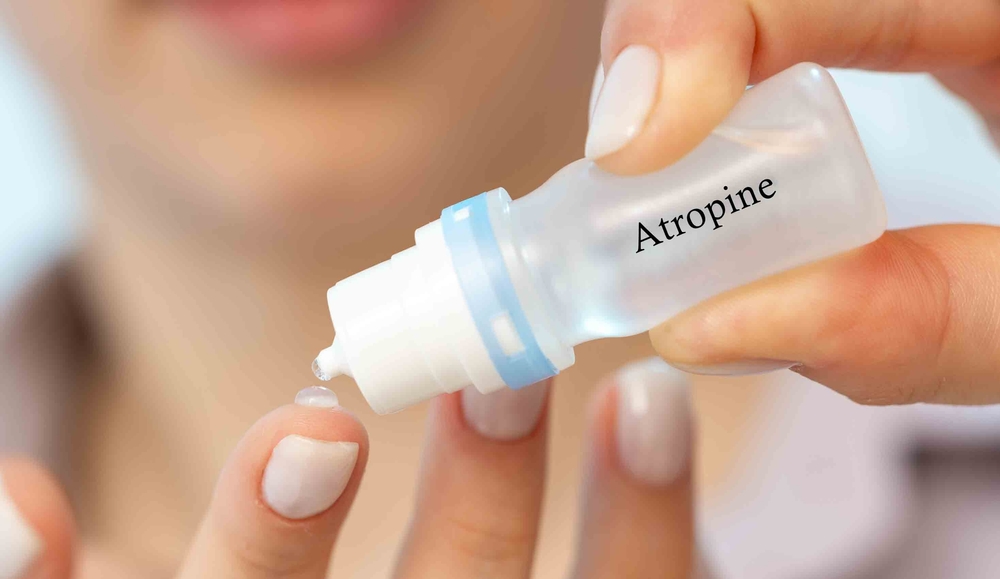
Atropine eye drops are prescription medications used in Myopia Management, particularly in children. Unlike regular eye drops, atropine is not intended to relieve dryness or irritation. Instead, low-dose atropine is used to slow the progression of Myopia.
Myopia occurs when the eye grows too long from front to back, causing distant objects to appear blurry. As Myopia worsens, the risk of serious eye health problems later in life increases, including retinal detachment, glaucoma, and macular degeneration.
Atropine works by relaxing the eye’s focusing system and reducing the strain that can contribute to progression. Similar to the drops used to dilate your eyes during an exam - but formulated in a much lower dose for daily use - atropine helps keep the pupil more relaxed throughout the day. By easing this constant focusing effort, studies show it can meaningfully slow the rate at which a child’s Myopia worsens over time.
Key Differences Between Atropine and Regular Eye Drops
Purpose
Regular eye drops provide temporary symptom relief.
Atropine eye drops are part of a long-term Myopia Management strategy.
Availability
Regular eye drops are available over the counter.
Atropine requires a prescription and professional supervision.
Treatment Goals
Regular drops improve comfort.
Atropine helps protect long-term vision by slowing Myopia progression.
Who Uses Them
Regular drops can be used by nearly anyone experiencing irritation.
Atropine is most commonly prescribed for children with progressing Myopia.
Why Myopia Management Matters
Myopia is more than just needing stronger glasses each year. Progressive Myopia can increase the risk of vision-threatening eye conditions later in life. That’s why early intervention is so important.
Myopia Management programs may include:
Low-dose atropine eye drops
Specialty contact lenses
Orthokeratology (Ortho-K)
Lifestyle recommendations such as increased outdoor time
At Performance Vision Center, we take a proactive approach to managing Myopia. The goal isn’t just clearer vision today - it’s healthier eyes for the future.
Are Atropine Eye Drops Safe?
When prescribed and monitored by an experienced eye care professional, low-dose atropine is considered safe and effective for children. The low concentrations used for Myopia Management typically minimize side effects such as light sensitivity or difficulty focusing up close.
Because every child’s eyes are different, proper evaluation and ongoing monitoring are essential to ensure the best results.
Choosing the Right Eye Drops
If your child has been diagnosed with Myopia, regular eye drops will not prevent their prescription from worsening. While artificial tears may help with dryness from screen use, they do not address the underlying issue of eye growth.
Atropine eye drops, on the other hand, are a clinically supported option specifically designed to manage Myopia progression.
Understanding this difference can make a significant impact on your child’s long-term eye health.
Find the Right Eye Drops for Your Vision Needs
Regular eye drops and atropine eye drops serve very different purposes. While standard drops provide temporary comfort, atropine plays an important role in Myopia Management by helping slow the progression of nearsightedness in children.
Contact Performance Vision Center today to schedule a comprehensive eye exam and learn whether atropine eye drops or another Myopia Management option is right for your family. Visit our office in Winter Park, Florida, or call (407) 890-0201 to schedule a comprehensive eye exam today.


Contact Us

Contact Information
1708 Lee Road
Winter Park, FL 32789
We're just a short drive from the 1-4 Expressway and Orlando Ave.
(407) 629-6117
Hours of Operation
- Monday 08:30 AM - 06:30 PM
- Tuesday 08:30 AM - 05:30 PM
- Wednesday 08:30 AM - 06:30 PM
- Thursday 08:30 AM - 05:30 PM
- Friday Closed
- Saturday Closed
- Sunday Closed
© 2026 Performance Vision Center. All rights Reserved. Accessibility Statement - Privacy Policy - Sitemap
Powered by:
